

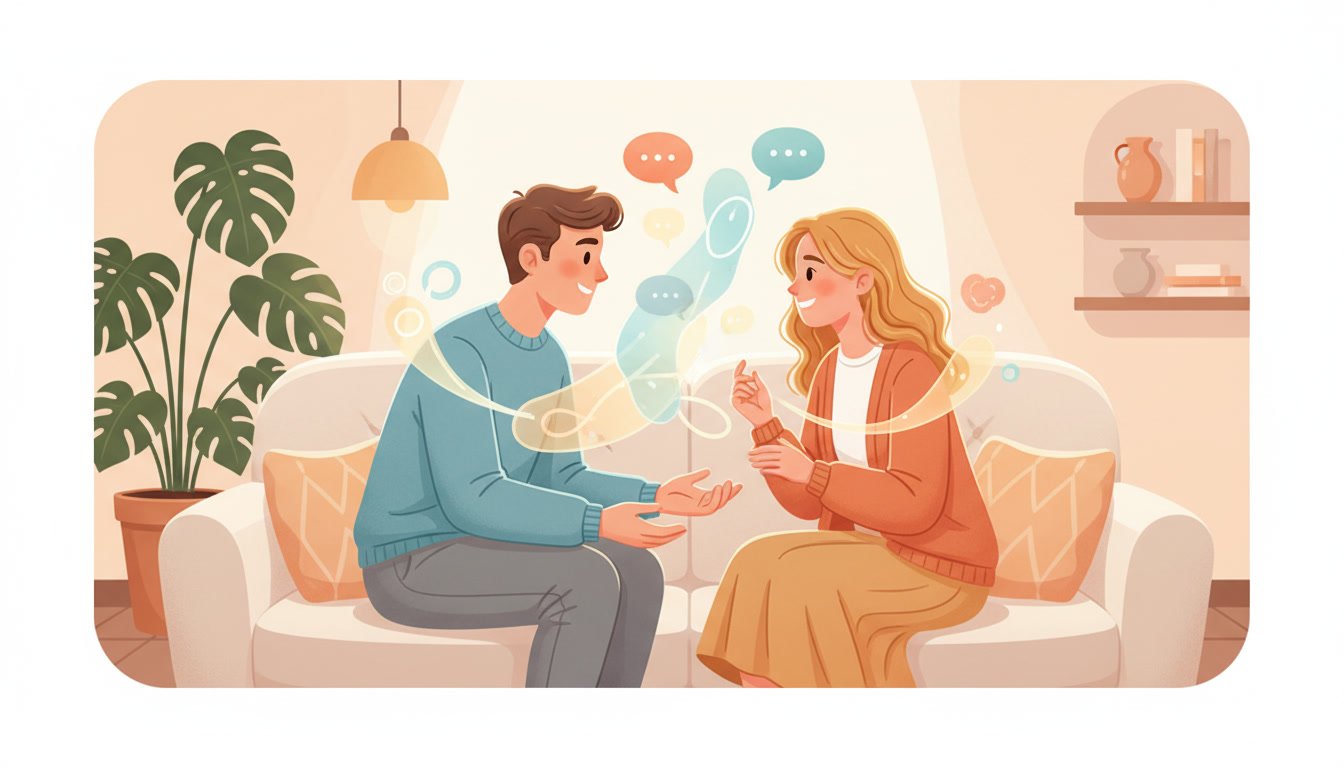
Effective Communication in Relationships is not just a cornerstone; it’s the entire foundation upon which lasting connections are built. In a world brimming with digital distractions and demanding schedules, the art of truly connecting with your partner can often feel like a forgotten skill. Yet, the ability to express thoughts, feelings, needs, and desires openly and honestly is paramount for nurturing intimacy, resolving conflicts, and fostering mutual understanding. Without it, even the strongest bonds can fray, leading to misunderstandings, resentment, and a growing distance between partners. This comprehensive guide will delve deep into the nuances of relational dialogue, exploring not only what makes for great interaction but also how to overcome common Relationship communication problems. We will provide actionable strategies, expert insights, and practical tips to transform your interactions, ensuring your relationship flourishes through authentic and empathetic engagement. Join us as we uncover the secrets to mastering one of life’s most vital skills.
Why Communication in Relationships is Non-Negotiable
The significance of Communication in Relationships cannot be overstated. Research consistently shows that couples who report high levels of communication satisfaction also report higher relationship satisfaction and stability. It’s the conduit through which partners share their inner worlds, creating a sense of shared reality and emotional safety. Without effective channels, minor disagreements can escalate into major conflicts, and unspoken expectations can lead to deep-seated frustrations.
Building Trust and Intimacy Through Open Dialogue
Trust is the bedrock of any healthy relationship, and it is forged through consistent, honest communication. When partners feel safe to share their vulnerabilities, fears, and dreams without judgment, intimacy deepens. This isn’t just about talking; it’s about listening and being truly present for each other. Open dialogue ensures that both partners feel heard, valued, and understood, reinforcing their bond and commitment.
Navigating Conflict with Constructive Communication
Conflict is an inevitable part of any human connection, but how couples navigate these disagreements determines the health of their relationship. Poor communication can turn a minor dispute into a destructive argument, characterized by yelling, stonewalling, or personal attacks. Conversely, strong Communication in Relationships allows partners to approach conflicts as opportunities for growth. It involves expressing grievances respectfully, actively listening to the other’s perspective, and working collaboratively towards a resolution that satisfies both parties. Learning to manage conflict constructively is a hallmark of resilient relationships and a key antidote to Relationship communication problems.
Understanding Different Communication Styles
Not everyone communicates in the same way, and recognizing these differences is crucial for effective interaction. Some people are direct and straightforward, while others are more indirect and subtle. Some prefer to process their thoughts internally before speaking, while others think out loud. Understanding your own style and your partner’s can help bridge potential gaps and prevent misunderstandings. For instance, if one partner needs time to think before responding, the other can learn to provide that space rather than pushing for an immediate answer. This awareness reduces friction and enhances mutual patience.
Key Elements of Effective Communication in Relationships
To truly master Communication in Relationships, it’s essential to understand its core components. These elements work in concert to create a rich, meaningful exchange.
Active Listening: More Than Just Hearing
Active listening is perhaps the most critical component. It involves fully concentrating on what your partner is saying, both verbally and non-verbally, rather than just passively hearing the words. This means putting away distractions, making eye contact, and offering verbal and non-verbal cues that show you’re engaged (e.g., nodding, “uh-huh,” “I see”). Beyond simply hearing, active listening requires you to process and understand the speaker’s message, emotions, and underlying needs. Paraphrasing what your partner has said back to them (“So, what I hear you saying is…”) can confirm understanding and make them feel truly heard.
Empathy and Validation: Stepping into Their Shoes
Empathy is the ability to understand and share the feelings of another. In the context of relationships, it means attempting to see things from your partner’s perspective, even if you don’t necessarily agree with it. Validation goes a step further; it’s about acknowledging and affirming your partner’s feelings as legitimate, even if you don’t fully understand or agree with their reaction. Statements like “I can see why you’d feel frustrated about that” or “It makes sense that you’d be upset” can de-escalate tension and create a space for resolution. Lack of empathy and validation are significant contributors to Relationship communication problems.
Clear and Direct Expression: Saying What You Mean
While empathy and listening are about receiving, clear expression is about sending your message effectively. This involves using “I” statements (“I feel X when Y happens” instead of “You always make me feel X”), being specific about your needs and feelings, and avoiding assumptions. Vague statements or hinting can lead to confusion and frustration. Be direct, but always kind and respectful.
Non-Verbal Cues: The Unspoken Language
A significant portion of Communication in Relationships is non-verbal. Body language, facial expressions, tone of voice, gestures, and even silence convey powerful messages. Being aware of your own non-verbal signals and learning to read your partner’s can greatly enhance understanding. For example, crossed arms might indicate defensiveness, while a gentle touch can convey reassurance. Misinterpreting non-verbal cues can exacerbate Relationship communication problems.
The Impact of Digital Communication on Relationships
In the digital age, much of our interaction happens through texts, emails, and social media. While convenient, digital communication lacks many of the non-verbal cues present in face-to-face interactions, making misunderstandings more likely. It’s crucial to be mindful of its limitations. Complex or emotionally charged discussions are almost always best handled in person or via a phone call. Digital communication should complement, not replace, meaningful direct engagement.
Step-by-Step Guide to Improving Communication in Relationships

Improving Communication in Relationships is a process that requires consistent effort and practice. Here’s a practical guide to help you get started:
1. **Schedule Dedicated Communication Time:** Set aside regular, uninterrupted time each week to talk. This could be a “check-in” over dinner, a weekly walk, or even a specific time before bed. This ritual signals that your relationship and its communication are a priority.
2. **Practice Active Listening:** When your partner speaks, put away your phone, turn off the TV, and give them your full attention. Listen not just to their words, but to the emotions behind them. Use paraphrasing to ensure you’ve understood correctly.
3. **Use “I” Statements:** Frame your feelings and needs from your own perspective. Instead of “You never help me,” try “I feel overwhelmed when I have to do all the chores myself, and I would appreciate your help.” This reduces blame and encourages constructive dialogue.
4. **Express Appreciation Regularly:** Don’t let gratitude go unspoken. Frequently acknowledge the things your partner does that you appreciate, big or small. Positive reinforcement builds a warmer, more secure environment for all types of communication.
5. **Learn to Take a Break During Conflict:** If a discussion becomes too heated, suggest taking a 20-30 minute break. Agree to revisit the conversation later when both partners are calmer. This prevents destructive escalation and allows for more rational thought.
6. **Seek Clarification, Don’t Assume:** If you’re unsure about what your partner means, ask for clarification. Assumptions are a leading cause of Relationship communication problems. “Can you tell me more about what you mean by that?” is a powerful phrase.
7. **Be Physically Present and Engaged:** During conversations, maintain appropriate eye contact, turn towards your partner, and use open body language. These non-verbal cues reinforce that you are engaged and receptive.
Common Mistakes in Relationship Communication to Avoid

Even with the best intentions, couples can fall into common traps that hinder effective Communication in Relationships. Avoiding these pitfalls is as crucial as adopting positive practices.
* **Mind Reading and Assumptions:** Expecting your partner to know what you’re thinking or feeling without you expressing it is a recipe for disaster. Assuming you know what they’re thinking is equally damaging. Always ask for clarification.
* **Criticism and Blame:** Attacking your partner’s character (“You’re always so selfish”) rather than addressing specific behaviors (“I feel unheard when you interrupt me”) is destructive. Focus on the action, not the person.
* **Defensiveness:** When criticized, it’s natural to become defensive. However, this shuts down communication. Instead of making excuses, try to listen to your partner’s perspective and acknowledge their feelings, even if you don’t agree with the accusation.
* **Stonewalling and Withdrawal:** Shutting down, refusing to talk, or walking away from a conversation without a plan to revisit it is highly damaging. It communicates contempt or indifference and leaves issues unresolved, a major cause of Relationship communication problems.
* **Contempt:** This is perhaps the most destructive communication pattern, characterized by sarcasm, cynicism, eye-rolling, scoffing, and hostile humor. Contempt conveys disgust and disrespect and is a strong predictor of relationship failure.
* **Generalizations (“Always” and “Never”):** Using absolute terms like “You always do X” or “You never do Y” is rarely accurate and often makes your partner defensive. Focus on specific instances.
* **Bringing Up the Past:** During a current conflict, rehashing old arguments or past grievances distracts from the present issue and makes resolution nearly impossible. Stick to the topic at hand.
Best Practices for Nurturing Healthy Communication
Beyond avoiding mistakes, adopting certain best practices can elevate your Communication in Relationships to new heights.
* **Cultivate a Culture of Kindness and Respect:** Treat your partner with the same courtesy and respect you would offer a cherished friend or colleague. Politeness, patience, and a kind tone go a long way.
* **Regular Check-Ins (Emotional Temperature Taking):** Make it a habit to regularly ask your partner, “How are you feeling today?” or “Is there anything on your mind?” These brief check-ins can prevent small issues from festering into larger ones.
* **Choose the Right Time and Place:** Avoid important discussions when you’re tired, stressed, hungry, or in a public place where privacy is limited. Opt for a calm environment where you both can focus.
* **Practice Self-Regulation:** Learn to manage your own emotions during difficult conversations. If you feel overwhelmed, take a brief time-out, calm down, and then return to the discussion. This prevents emotional outbursts that can harm the relationship.
* **Be Vulnerable:** Sharing your true feelings, even uncomfortable ones, fosters deeper intimacy and trust. It shows your partner that you value them enough to be open and authentic.
* **Celebrate Small Wins:** Acknowledge and appreciate when your partner makes an effort to communicate better, even if it’s not perfect. Positive reinforcement encourages continued effort.
* **Seek Professional Help if Needed:** If you find yourselves stuck in destructive communication patterns, don’t hesitate to seek guidance from a relationship counselor. A neutral third party can provide tools and insights to navigate challenging dynamics. This is especially vital when navigating complex Relationship communication problems.
Conclusion
Mastering Communication in Relationships is an ongoing journey, not a destination. It requires patience, empathy, self-awareness, and a continuous commitment from both partners. By actively listening, expressing yourselves clearly, avoiding common pitfalls, and adopting best practices, you can transform your interactions and build a relationship characterized by profound understanding, trust, and intimacy. Remember, strong communication isn’t about never having disagreements; it’s about how you navigate those disagreements and how effectively you connect in moments of joy and challenge alike. Invest in your communication skills, and you will be investing in the very heart of your relationship, ensuring it grows stronger, deeper, and more resilient with each passing day. The effort you put into improving your dialogue will undoubtedly yield a lifetime of richer, more fulfilling connection, effectively mitigating the challenges posed by Relationship communication problems.
FAQs About Communication in Relationships
Q1: What is the most important aspect of communication in a relationship?
A1: Active listening and empathy are arguably the most crucial aspects. Truly hearing and understanding your partner’s perspective, and validating their feelings, creates a foundation of trust and respect.
Q2: How can I encourage my partner to open up more?
A2: Create a safe, non-judgmental space for them to share. Practice active listening, ask open-ended questions, and share your own vulnerabilities first. Avoid interrupting or offering unsolicited advice unless asked.
Q3: What are “I” statements and why are they important?
A3: “I” statements frame your feelings and needs from your own perspective (e.g., “I feel sad when…”). They are important because they express your experience without placing blame, making your partner less defensive and more receptive.
Q4: How do I handle a partner who stonewalls or shuts down during conflict?
A4: If your partner stonewalls, suggest taking a break from the conversation (e.g., “Let’s take 30 minutes to cool down and then revisit this”). Reassure them you want to resolve the issue constructively. It’s important to come back to the discussion when both are calm.
Q5: Can technology improve or harm relationship communication?
A5: Technology can both help and harm. It can keep partners connected over long distances or with busy schedules. However, relying too heavily on digital communication for important or emotionally charged topics can lead to misunderstandings due to the lack of non-verbal cues. Face-to-face interaction remains paramount.

