


Many people have sat with a sudden rush of irritation and asked, “Why do I find my boyfriend annoying all of a sudden?” It can feel confusing and guilty, especially when you still love the person.
Psychologists note that feelings shift like the weather. As Matt Haig wrote, you are not your feelings; you simply experience them, and they pass. That idea helps when the daily annoyance feels overwhelming.
About 25% of people are highly sensitive persons (HSP). This trait leads some to process emotions and sensory input more deeply, so small things can trigger strong reactions.
In many long-term relationships, questions such as “Why do I get mad at my boyfriend over little things?” or “Why do I get irritated when my boyfriend touches me?” are common. Understanding sensitivity, past stress, and how feelings work gives space to respond rather than react.
Key Takeaways
- Emotions are temporary—observing them helps reduce blame.
- High sensitivity affects about a quarter of people and increases reactivity.
- Small triggers can feel huge when stress builds over time.
- Learning to name your feelings lowers immediate irritation.
- Awareness lets you protect the relationship while handling strong emotions.
Understanding Why You Feel Annoyed by Your Partner for No Reason
Small irritations often signal deeper tensions that have built up over time. In a relationship, tiny habits can feel huge when life adds stress. Noticing this pattern is the first step toward change.


The Psychology of Minor Irritations
Irritation often acts as a signal. Licensed therapist Anabel Basulto at Kaiser Permanente explains that frequent annoyance is a sign of unresolved issues.
“Persistent irritation usually points to deeper needs or stress that haven’t been addressed.”
Over time, small patterns build up. After around seven years together, many people notice a shift. Behaviors once cute can turn into daily frustration.
Common Triggers for Sudden Frustration
Many triggers are mundane. Food habits, small manners, and house routines often spark anger when other problems loom.
- Unresolved family stress or outside pressures.
- Accumulated habits that clash with your way of life.
- Times when one person feels unheard or overloaded.
Takeaway: If annoyance occurs often, it is a useful prompt to take time and identify the root issue. Seeking a therapist’s advice can help turn irritation into productive change.
The Role of Negativity Bias and Overstimulation
Our brains evolved to spot threats, so they naturally tilt toward negatives more often than positives.
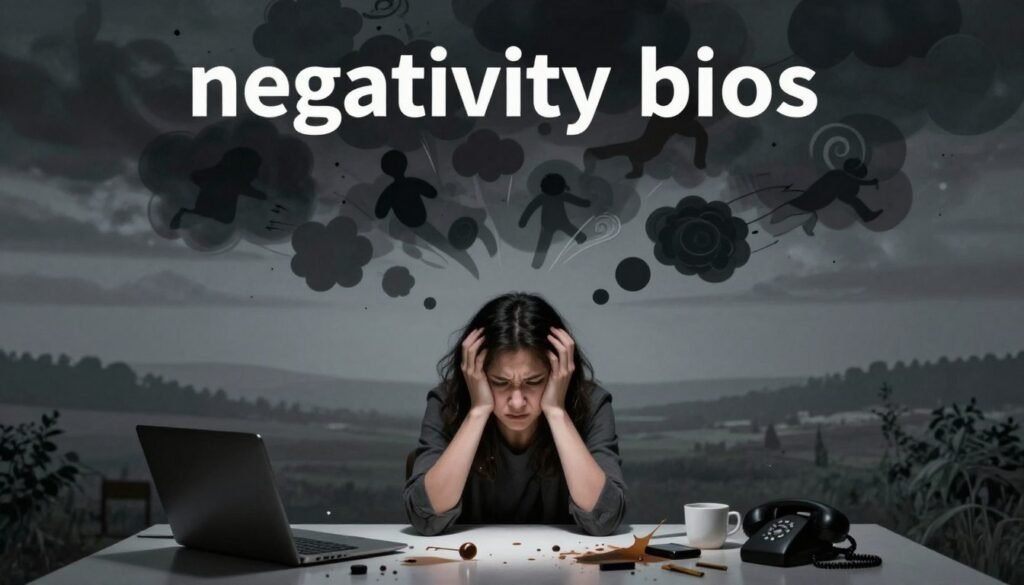
Attention leans toward what seems wrong about two-thirds of the time. That built-in bias helps explain why, at times, you feel easily annoyed in a relationship.
When life piles on tasks and noise, overstimulation makes irritation flip into anger faster. You may then see your partner as the source of tension, even when the root is stress or fatigue.
- The brain favors negative signals, so small cues can feel large.
- Sensitive people notice triggers that others miss.
- Recognizing this bias stops you from projecting internal stress onto others.
Takeaway: These reactions are human and do not mean the relationship is failing. Naming the bias and pausing can protect feelings and open clearer communication.
Identifying Personal Triggers and Physical Factors
Simple things become triggers when sleep, hormones, or stress are out of balance. Physical factors can lower your patience and change how you react in a relationship.
The Impact of Stress and Lifestyle on Emotional Regulation
Sleep, food, and hormones shape emotional thresholds. Missing rest or skipping morning food makes irritation more likely.
When depression or chronic stress is present, a husband or partner can become an easy target for frustration. A therapist can help sort out whether habits or life problems drive these feelings.
| Trigger | Common Effect | Quick Action |
|---|---|---|
| Poor sleep | Low patience, sudden irritation | Set a consistent night routine |
| Skipped breakfast | Low energy, short temper | Eat simple morning food |
| Stress or depression | Projection of issues onto the person you love | Seek therapist help and rest |
| Overstimulation | Heightened attention to small behaviors | Take short breaks and set boundaries |
Making a pros and cons list to show positive behaviors alongside annoying things. Taking responsibility for your own needs helps protect the relationship and reduce repeated frustration.
Practical Strategies for Managing Irritation
Tiny reactions can signal that your emotional tank needs refilling. Use simple steps to calm your body and regain perspective before conflict grows.
Practicing Self-Awareness and Mindfulness
Pause and name the feeling. Saying “I feel tense right now” helps you notice emotions without acting on them.
Take a ten-minute break if you need distance. Short rests restore energy and lower the chances of anger in the next conversation.
Using Effective Communication Techniques
Use “I” statements to share needs. This reduces defensiveness and keeps the talk kind.
Gary Chapman, PhD, recommends learning each other’s love language. That way, you see daily habits as expressions of care and not personal slights.
Reframing Your Perspective
Make a short list of things you appreciate. Read it on hard days or in the morning or at night to shift focus away from small annoyances.
When you practice self-awareness and clear communication, relationships feel more content. Small shifts in habit change how others show love and how you receive it.
When to Seek Professional Relationship Support
There are times when guided help is the clearest path out of ongoing arguments and drifting feelings.
If you cannot resolve issues through calm communication, a therapist can provide focused help. Therapy gives tools to stop cycles and handle the root issue.
Seek support before everyday annoyance hardens into deep resentment that might hurt your husband and the relationship. A trained therapist can map the course of conflict and offer practical advice.
“It takes two to make a thing go right.” This idea matters in therapy: both people usually need to engage to change patterns.
- A therapist helps if depression or chronic tension undermines daily life.
- If you feel your partner is the only problem, a professional offers a new perspective.
- Asking for help is a sign of strength, not failure.
Takeaway: If frustration repeats or problems seem larger than simple fixes, professional support can reveal deeper issues and guide repair.
Conclusion
Minor frustrations pop up even in healthy relationships and offer a chance to learn.
Feeling annoyed with your partner at times is a normal part of life. It does not have to be a sign that the relationship is over.
Use the practical ways above: improve communication, practice self-care, and take time to name your feelings. If problems persist, a therapist can give focused help and guidance.
Many people face similar things. With patience, honest talk, and small steps, relationships can grow stronger and feel more content. Keep in mind that love often deepens when you address small issues with care.


