


It’s easy to lose faith in the idea that things could ever change for the better. Sometimes the fears come out in the question: Is our relationship worth saving? Personally, I believe that every committed relationship deserves your best shot.
Many couples reach a crossroads where they question if their relationship is worth fighting for, especially after experiencing ongoing conflicts or disconnection. Understanding the difference between normal issues and serious problems is crucial for making informed decisions about your future together.
By examining your relationship through evidence-based insights, you’ll gain clarity on whether it’s worth saving and what steps you can take to nurture it back to health.
Key Takeaways
- Identify signs that your relationship still has potential.
- Recognize red flags that suggest it might be beyond repair.
- Understand the difference between normal relationship challenges and serious problems.
- Learn practical strategies for rebuilding connection with your partner.
- Gain clarity on whether your relationship is worth saving.
Recognizing the Crossroads in Your Relationship
When the honeymoon phase ends, relationships are put to the test, and it’s here that you must decide if your partnership is worth fighting for. Around eighteen months to three years into a relationship, the initial high of falling in love begins to wear off. This transition can be challenging, but it’s also an opportunity to build a stronger connection with your partner.
Distinguishing Between Normal Challenges and Serious Problems
Every relationship faces natural transitions and challenges, from the fading of initial infatuation to navigating life stressors and personal growth. Understanding the difference between normal relationship challenges and serious problems is essential for making sound decisions about your relationship’s future. Normal challenges might include occasional arguments or periods of less connection, while serious problems could involve contempt, chronic distrust, or emotional abuse.
The Value of Questioning Your Relationship
Questioning your relationship doesn’t necessarily signal its end—it can actually be a healthy sign that you’re taking your commitment seriously and want to ensure you’re building something sustainable. This crossroads moment provides an opportunity to honestly assess what’s working, what isn’t, and whether both partners are willing to make necessary adjustments to grow together. By recognizing where you stand at this relationship crossroads, you can approach your decision with clarity rather than acting from a place of temporary emotion or frustration.
7 Signs Your Relationship Is Worth Saving
Understanding the signs that indicate a relationship is worth saving can be a crucial step in making an informed decision about its future. When evaluating your relationship, there are several key indicators to look out for.
You Both Demonstrate Willingness to Work on Issues
A fundamental sign that your relationship is worth saving is when both partners show a genuine willingness to address and work on issues together. This involves not just making promises but taking consistent actions and effort to resolve problems.
Emotional Safety Still Exists Between You
Emotional safety is crucial in a relationship. When you feel safe being open, honest, and vulnerable with your partner without fear of harsh criticism or emotional punishment, it’s a good sign that your relationship has a foundation worth preserving.
You Like Who You Are in the Relationship
A healthy relationship allows you to feel aligned with your authentic self. When you’re with your partner, you generally like who you are and feel that the relationship encourages positive growth.
Mutual Respect Remains Even During Conflicts
In a salvageable relationship, mutual respect persists even during disagreements. Conflicts occur without contempt, name-calling, or belittling, and both partners maintain basic dignity for each other.
| Signs | Description |
|---|---|
| Mutual Willingness | Both partners actively work on issues together. |
| Emotional Safety | You feel safe being vulnerable with each other. |
| Self-Growth | You like who you are within the relationship. |
| Mutual Respect | Respect remains even during conflicts. |
Other signs include consistently choosing each other despite difficulties, having a foundation of trust to rebuild upon, and feeling an emotional connection during good moments. These indicators suggest that your relationship is worth saving and has the potential for recovery and growth.
Evaluating Your Relationship Worth Saving: Key Questions to Ask Yourself
Evaluating the worth of your relationship involves introspection and a willingness to confront challenging realities. To make an informed decision, it’s crucial to assess various aspects of your relationship.
Assessing Your History and Commitment Level
Start by reflecting on your relationship history. Consider the length of time you’ve been together and the level of commitment you’ve both demonstrated. Ask yourself: How long has the relationship lasted? What significant events have you shared? What’s at stake, including shared history, children, finances, and emotional investment? Examining your past can provide insights into whether the current issues are part of a larger pattern or an isolated challenge. Honest self-reflection is key to understanding your commitment level and the potential for growth or decline.

Examining Your Expectations and Patterns
It’s also vital to examine your expectations and identify any patterns that may be influencing your relationship. Questions to consider include: Were your initial expectations realistic, or were you seeking an idealized “soulmate”? Have you noticed recurring patterns in your relationships, including this one? Reflecting on these aspects can help you understand whether your current problems are unique to this relationship or part of a broader cycle. By recognizing these patterns, you can begin to break them and potentially improve your relationship dynamics.
Consider what you can do differently to positively impact your relationship. Instead of focusing solely on how your partner needs to change, think about your own behaviors and how they contribute to the relationship’s dynamics. Ask yourself: What can I learn from working on this relationship? How can personal growth benefit me, regardless of the outcome? By taking a proactive and reflective approach, you can make a more informed decision about whether your relationship is worth saving.
Red Flags That Suggest a Relationship May Be Beyond Repair
When considering whether a relationship is worth saving, it’s crucial to recognize the signs that may indicate it’s beyond repair. Certain destructive patterns can signal that a relationship is in trouble. Understanding these red flags can help individuals make an informed decision about their future together.
The Four Horsemen: Criticism, Defensiveness, Contempt, and Stonewalling
The Gottman Institute’s research identifies “The Four Horsemen” as the most dangerous relationship behaviors: criticism, defensiveness, contempt, and stonewalling. These behaviors can be particularly damaging when they become entrenched patterns. Contempt, characterized by eye-rolling, disgust, dismissal, or ridiculing, has been shown to be the strongest predictor of relationship failure and divorce. When partners exhibit these behaviors regularly, it may be a sign that the relationship is struggling to survive.
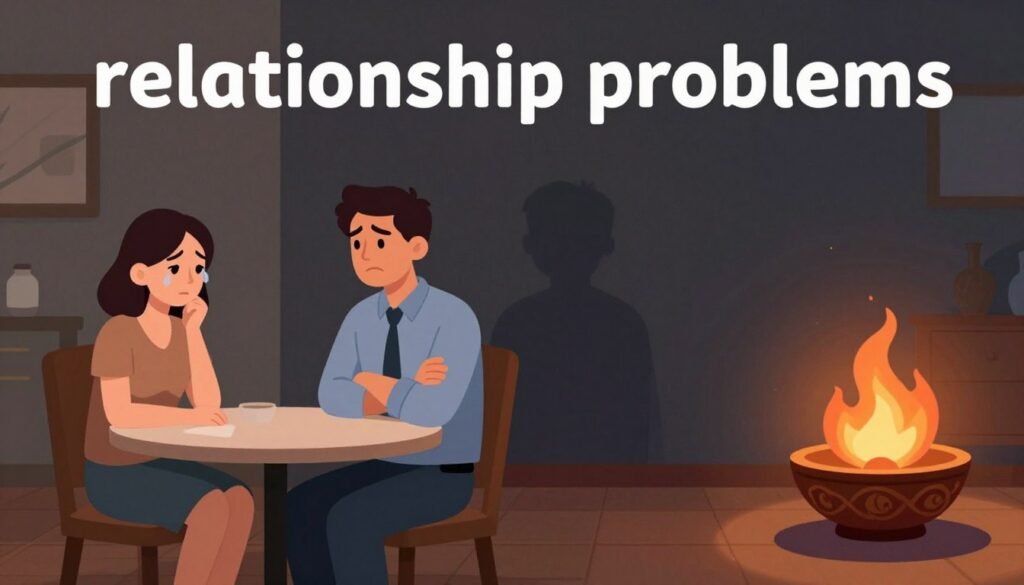
When Trust Has Been Severely Damaged
Severe trust violations, especially repeated ones without genuine remorse or changed behavior, can create wounds too deep to heal. When the betrayed partner cannot envision trusting again, it may indicate that the relationship is beyond repair. Rebuilding trust requires effort and commitment from both partners, but in some cases, the damage may be too extensive.
Other signs that a relationship may be beyond repair include complete emotional disconnection, persistent patterns of abuse, and fundamental conflicts in core values that cannot be compromised on. Recognizing these signs can help individuals make a difficult but necessary decision about their relationship.
Communication Patterns That Make or Break Relationships
The dynamics of communication within a relationship can be a decisive factor in its success or failure. How partners interact with each other can either foster a deeper connection or create an insurmountable rift.
Healthy vs. Unhealthy Communication Styles
Healthy communication involves active listening, using “I” statements instead of accusations, and staying on topic rather than bringing up past grievances. On the other hand, unhealthy communication patterns include the silent treatment, contemptuous remarks, and character attacks. Understanding the difference between these styles is crucial for couples seeking to improve their relationship.
- Healthy communication involves active listening and “I” statements.
- Unhealthy patterns include the silent treatment and contemptuous remarks.
- Recognizing these patterns can help partners address issues effectively.
How to Break Negative Communication Cycles
Many couples get trapped in negative communication cycles where one partner’s behavior triggers the other’s defensive response. Breaking these cycles often requires one partner to respond differently, even when the other follows the familiar script. Couples therapy can provide a structured environment to identify destructive patterns and learn healthier alternatives.
| Negative Cycle | Breaking the Cycle |
|---|---|
| Defensiveness and criticism | Active listening and empathy |
| Contempt and stonewalling | Respectful communication and engagement |
As noted by relationship experts, “When you’re in pain, it is easy to become overwhelmed by negativity. So, don’t overlook any of the following: 1. You still feel the feelings.” This emphasizes the importance of acknowledging emotions in the relationship.
By understanding and addressing communication issues, couples can work towards a healthier relationship. Recognizing that feeling strong emotions can be a positive sign, as indifference typically signals a relationship’s end, can help partners navigate their conflicts more effectively.
Taking Meaningful Action to Save Your Relationship
Saving a relationship requires more than just recognizing the problems; it demands meaningful action. Once you’ve determined your relationship is worth saving, taking concrete steps is essential to prevent further deterioration.

When and How to Seek Professional Help
Professional help through couples therapy or relationship counseling provides structure, accountability, and expert guidance for navigating complex relationship dynamics. Even agreeing to make an appointment and attending together is the start of a common platform and a new approach.
If you are stuck in negative cycles, seeing a professional counselor can be an excellent circuit breaker. This step demonstrates mutual commitment to the relationship’s future and creates a shared goal.
Small Changes That Can Make a Big Difference
Small, consistent changes often make more lasting impact than grand gestures. Daily expressions of appreciation, implementing “time-outs” during heated arguments, or establishing regular check-in conversations can gradually transform relationship dynamics.
Creating new positive experiences together helps rebuild emotional connection. Planning activities you both enjoy can generate positive feelings that counterbalance the negative emotions accumulated during difficult periods.
Conclusion: Making the Decision That’s Right for You
Making the decision to stay in or leave a relationship requires courage, self-reflection, and a deep understanding of your own needs and values. It’s a personal journey that varies greatly from one person to another, with no universal formula to guide the decision-making process.
Both staying and leaving a relationship demand courage. While walking away from an unhealthy relationship takes strength, committing to the challenging work of rebuilding a damaged relationship with genuine potential also requires immense bravery. It’s essential to recognize that challenges aren’t always warnings—sometimes they’re invitations to deepen your love, trust, and connection with your partner.
Give yourself permission to take the time you need to make this decision thoughtfully rather than reactively. Major life choices deserve careful consideration, not impulsive action. Whatever you decide, approach yourself with compassion, understanding that there are no perfect relationships and no perfect decisions, only choices that align with your deepest values and needs at this point in your life.
Ultimately, if the signs resonate, there’s hope worth nurturing. You deserve a relationship that uplifts, inspires, and heals, and making the right decision for you is the first step towards achieving that.
FAQ
How do I know if my partner is committed to resolving our issues?
If your partner is willing to work on problems and shows a genuine interest in strengthening your bond, it’s a good sign that they’re committed to resolving your issues and making your connection stronger.
What are some common challenges that couples face, and how can we overcome them?
Couples often face challenges such as conflict, differences in expectations, and trust issues. To overcome these challenges, it’s essential to practice effective communication, be willing to compromise, and make a concerted effort to understand each other’s needs.
How can I assess the level of emotional safety in my partnership?
You can assess the level of emotional safety by paying attention to how you feel when you’re with your partner. If you feel comfortable expressing your feelings and are confident that your partner will listen and respond with empathy, it’s a good sign that emotional safety exists.
What role does intimacy play in a healthy partnership?
Intimacy is a vital component of a healthy partnership, as it fosters a deep sense of connection and trust. By prioritizing intimacy, you can strengthen your bond and build a more resilient partnership.
How can couples therapy help us resolve our issues?
Couples therapy can provide a safe and supportive environment where you and your partner can work through your issues with the guidance of a trained therapist. By addressing your challenges in a constructive and respectful manner, you can develop healthier communication patterns and strengthen your partnership.
What are some red flags that may indicate a partnership is beyond repair?
Some red flags that may indicate a partnership is beyond repair include the presence of the Four Horsemen (criticism, defensiveness, contempt, and stonewalling), a lack of trust, and a persistent feeling of unhappiness or unfulfillment.

